400 Podcast Episodes in Romans with Jonathan Porter – The David Donnan Podcast Season 3 Episode 5
January 9, 2025
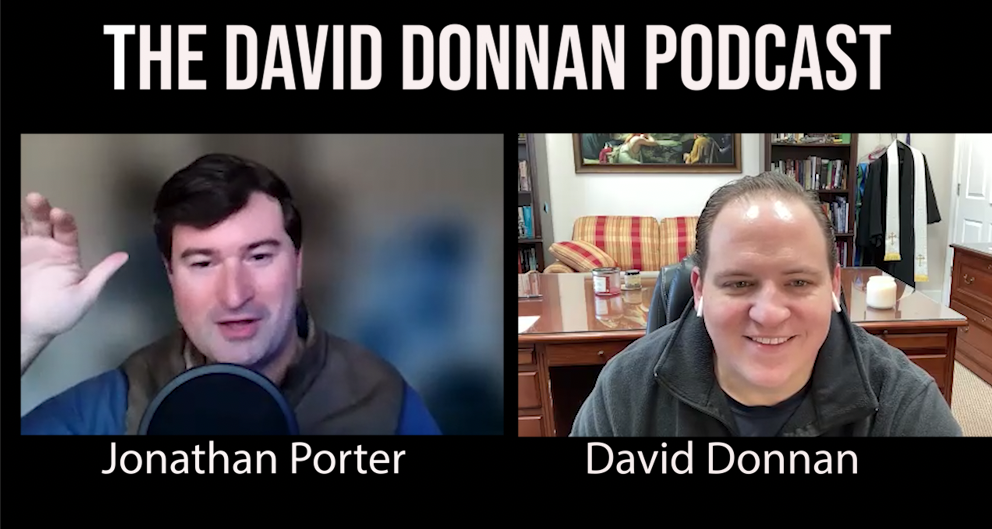
Jonathan Porter recorded over 400 podcast episodes going verse by verse through the book of Romans. Hear his fascinating story. We talk Romans, Follow Christ, and obedience to God’s guiding.
Listen to the interview on YouTube, Apple Podcast, or Spotify.
Here the original Remnant Podcast on Spotify.
Mentioned: Romans Verse by Verse (#ad) by Grant Osborne.
Disclosure: As an Amazon Associate, I earn from qualifying purchases. This means I may receive a small commission if you click on an affiliate link and make a purchase, at no additional cost to you. Thank you for supporting my work!
About David Wesley Donnan
I write online about Methodism, devotional insights, and personal reflections. My primary goal is to organize my thoughts and explore meaningful topics. Along the way, I hope my writing inspires and encourages others on their journey.
More From David
Follow Me on Social Media
A Mandatory Trait for Every Global Methodist Clergy
January 8, 2025
Here was a mandatory trait for British Methodism which needs to be mandatory for all Global Methodist Clergy.
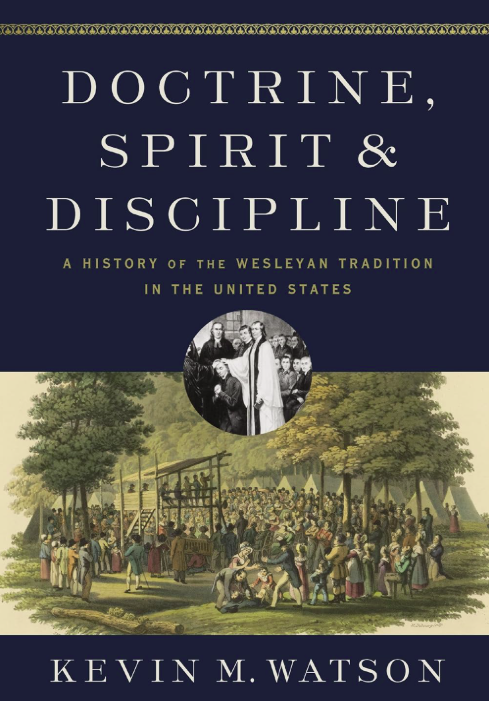
In Kevin Watson’s Doctrine, Spirit, and Discipline: A History of the Wesleyan Tradition in the United States (#ad) he says this about early Methodism:
1785 Minutes (the Methodist Episcopal a Church’s first polity book) repeated language from the British Methodist minutes about a preacher’s potential objection that they did not have a “Taste for reading.”
The response was direct and succinct: “Contract a Taste for it by Use, or return to your Trade.”
In other words, learn to like reading by doing it, or go back to what you were doing before you became a Methodist preacher.
I think it was Timothy Tennent I heard speak about this trend. He talked about how a seminary graduate would occasionally come up to him and brag about not reading a book since they graduated seminary. His response was, “I feel so sorry for your congregation.”
Harry S. Truman is attributed as saying, “Not all readers are leaders, but all leaders are readers.”
Reading will never replace a vibrant personal relationship with Christ and a healthy spiritual life, but it is an indispensable tool and a God-given gift that no Global Methodist minister should neglect. It strengthens the mind, deepens the spirit, and equips leaders to shepherd with wisdom and grace.
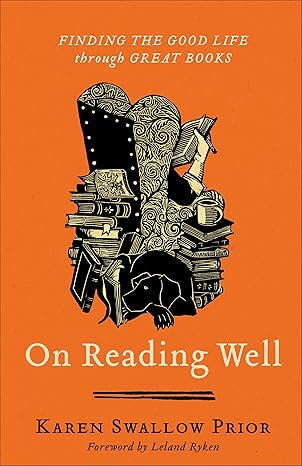
If you’re looking to build your “reading muscles,” consider starting with Karen Swallow Prior’s On Reading Well (#ad). You can also explore my interview with her, where she shares valuable insights on the transformative power of reading.
What do you think? As the Global Methodist Church continues its conversation on theological education where does the discipline of reading come in?
Disclosure: As an Amazon Associate, I earn from qualifying purchases. This means I may receive a small commission if you click on an affiliate link and make a purchase, at no additional cost to you. Thank you for supporting my work!
About David Wesley Donnan
I write online about Methodism, devotional insights, and personal reflections. My primary goal is to organize my thoughts and explore meaningful topics. Along the way, I hope my writing inspires and encourages others on their journey.
More From David
Follow Me on Social Media
My 2025 Bible Reading Plan
January 4, 2025
I’m so excited to see so many pastors and Christians sharing their 2025 Bible reading plans! It’s inspiring to see how others approach spending time in God’s Word. Here’s what I’m planning to do this year.
Historically, I’ve struggled to stick with reading the entire Bible in a year. Falling behind often left me discouraged and tempted to give up. But I’ve been reminded of something I attribute to Brian Russell: “The goal is to fall in love with reading the Scriptures, not just completing a reading plan.”
With that in mind, I’ve been working my way through the Life Application Study Bible in the New Living Translation, book by book. It’s been recommended as a fantastic beginner’s study Bible, and I wanted to experience it for myself. Instead of following a rigid schedule, I choose books as I go, highlighting them in the table of contents when I finish.
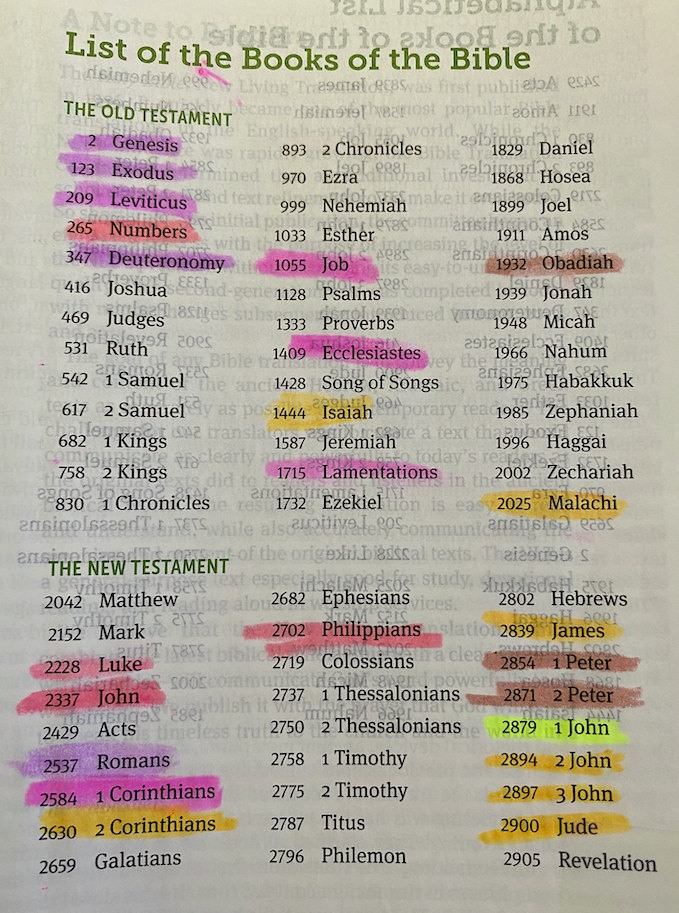
Occasionally, I’ll pause wherever I’m at and read a chapter from Proverbs that corresponds to the day of the month—for example, Proverbs 5 on January 5th. When I hit a rut, I’ll turn to listening to Scripture through YouVersion, which often helps reignite my focus.
It’s not the most creative or structured plan—no fancy PDF guides or trackers—but this rhythm works for me. It’s a balance of consistency and flexibility that keeps me engaged.
I typically pair this reading practice with centering prayer, intercessory prayer, and journaling. These practices deepen my time with God and help me stay rooted in His presence.
Would you like to hear more about those other practices? Or perhaps a review of the Life Application Study Bible in the NLT?
I’d also love to hear about your Bible or devotional plan for 2025. How are you diving into Scripture this year?
 David Donnan