A Mandatory Trait for Every Global Methodist Clergy
January 8, 2025
Here was a mandatory trait for British Methodism which needs to be mandatory for all Global Methodist Clergy.
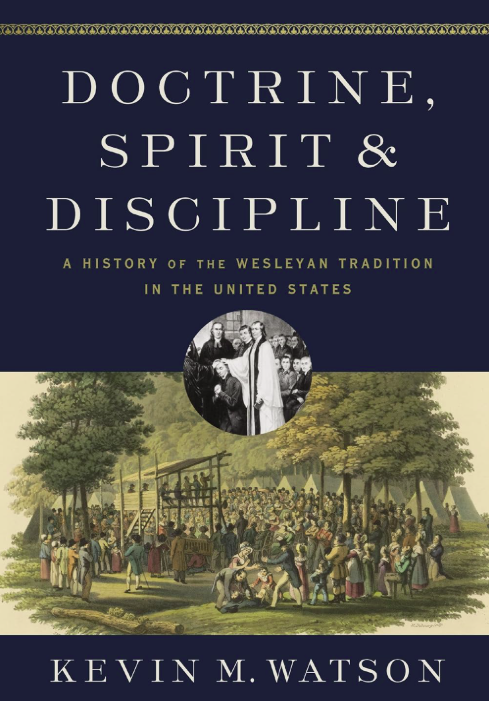
In Kevin Watson’s Doctrine, Spirit, and Discipline: A History of the Wesleyan Tradition in the United States (#ad) he says this about early Methodism:
1785 Minutes (the Methodist Episcopal a Church’s first polity book) repeated language from the British Methodist minutes about a preacher’s potential objection that they did not have a “Taste for reading.”
The response was direct and succinct: “Contract a Taste for it by Use, or return to your Trade.”
In other words, learn to like reading by doing it, or go back to what you were doing before you became a Methodist preacher.
I think it was Timothy Tennent I heard speak about this trend. He talked about how a seminary graduate would occasionally come up to him and brag about not reading a book since they graduated seminary. His response was, “I feel so sorry for your congregation.”
Harry S. Truman is attributed as saying, “Not all readers are leaders, but all leaders are readers.”
Reading will never replace a vibrant personal relationship with Christ and a healthy spiritual life, but it is an indispensable tool and a God-given gift that no Global Methodist minister should neglect. It strengthens the mind, deepens the spirit, and equips leaders to shepherd with wisdom and grace.
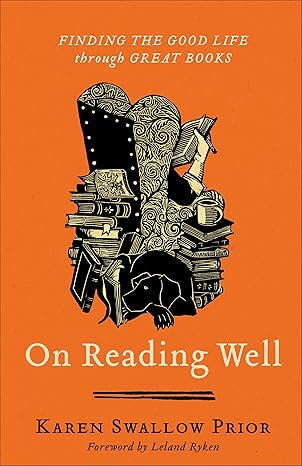
If you’re looking to build your “reading muscles,” consider starting with Karen Swallow Prior’s On Reading Well (#ad). You can also explore my interview with her, where she shares valuable insights on the transformative power of reading.
What do you think? As the Global Methodist Church continues its conversation on theological education where does the discipline of reading come in?
Disclosure: As an Amazon Associate, I earn from qualifying purchases. This means I may receive a small commission if you click on an affiliate link and make a purchase, at no additional cost to you. Thank you for supporting my work!
About David Wesley Donnan
I write online about Methodism, devotional insights, and personal reflections. My primary goal is to organize my thoughts and explore meaningful topics. Along the way, I hope my writing inspires and encourages others on their journey.
More From David
Follow Me on Social Media
My Favorite Read of 2024: Astonished by the Word
December 29, 2024

2024 was another year where I found myself wishing I had more time for reading—a recurring theme, it seems. Much of my reading this year was focused on partial sections of books as part of my dissertation research at Asbury Theological Seminary.
A significant portion of my study centered on the Gospel of Luke, including a deep dive into commentaries. One standout read was A Bird’s-Eye View of Luke and Acts: Context, Story, and Themes (#ad) which I completed cover to cover. I highly recommend it to anyone looking to explore the richness of these texts.
Would you like a review of the Luke commentaries I’ve worked through?
Another highlight was Jesus and the Powers: Christian Political Witness in an Age of Totalitarian Terror and Dysfunctional Democracies (#ad). I was thrilled to discuss this insightful book with Mike Bird himself—you can listen to our interview for more details.
On a different note, I started using the Libby app to borrow and listen to audiobooks from my local library. It’s been a fantastic way to fit more reading into a busy schedule.
My 2024 Favorite Read: Astonished by the Word
In early 2024, I had the privilege of reading Astonished by the Word: Reading Scripture for Deep Transformation (#ad), published in 2023 by my friend and mentor Brian Russell. I worked through most of the book alongside a group of preachers, and the discussions we shared made the experience even more impactful.
Brian is an exceptional Bible teacher, and I was fortunate to take several classes with him during my seminary years. His ability to bring Scripture to life is unparalleled. If you ever have the chance to attend one of his classes, don’t miss it. But if that’s not possible, this book is the next best thing.
Here are three helpful ideas from Astonished by the Word.
On Submission to God in Scripture
“Biblical authority is a way of life in which I willingly submit myself to the probing and investigation of the text. It is only then that the Bible truly functions as the Word of God for me and for my community (page 19).”
On Modern Idolatry
“The biggest hinderance to out growth in grace and personal witness is our denial of the idolatry in our lives. One of the tragedies of the success of the Church in the Western world is that the triumph of monotheism has hidden the reality of gods and goddesses all around us (79).”
On the Challenge of Reading Scripture
Our conversation with Scripture requires patient and persistent listening. We cannot control the speed of illumination and insight. Some passages will release their riches quickly and easily. Others will only do so slowly and with difficulty. In either case, we must be willing to be fully present with God and the text in a spirit of humility. and dogged resilience (155).”
Looking Ahead to 2025
2025 is already shaping up to be a monster year for reading. With my main research chapter for my doctoral work completed, I’ll have much more flexibility to explore books outside of academic requirements. There are even a few books I’m close to finishing now, but they’ll likely spill over into the new year.
I’m especially excited to dive into a couple of books recently published by my preaching friends. It’s always inspiring to see their work in print and engage with their insights.
- My Friend Ted Goshorn’s book is Raise Your Ebenezer: A Field Guide to Suffering (#ad)
- My Friend Ben Gosden’s book is Grace Rediscovered: Finding Hope and Healing Through Faith and Recovery (#ad)
What about you? What are you hoping to read in 2025? If you’re curious, I’d be happy to share a list of the books I plan to tackle.
Disclosure: As an Amazon Associate, I earn from qualifying purchases. This means I may receive a small commission if you click on an affiliate link and make a purchase, at no additional cost to you. Thank you for supporting my work!
 David Donnan