A South Georgian’s General Conference Recap
October 6, 2026
This was originally a talk given to the Glennville Methodist Church on Wednesday, September 23rd for our Wednesday night programming. These are my notes adapted for this post.
Brandy and I were blessed to attend the General Conference of the Global Methodist Church in Johannesburg, South Africa. We were part of the 16 South Georgia delegates along with Brandy and another spouse joining us. The conference ran August 30th through September 5th.
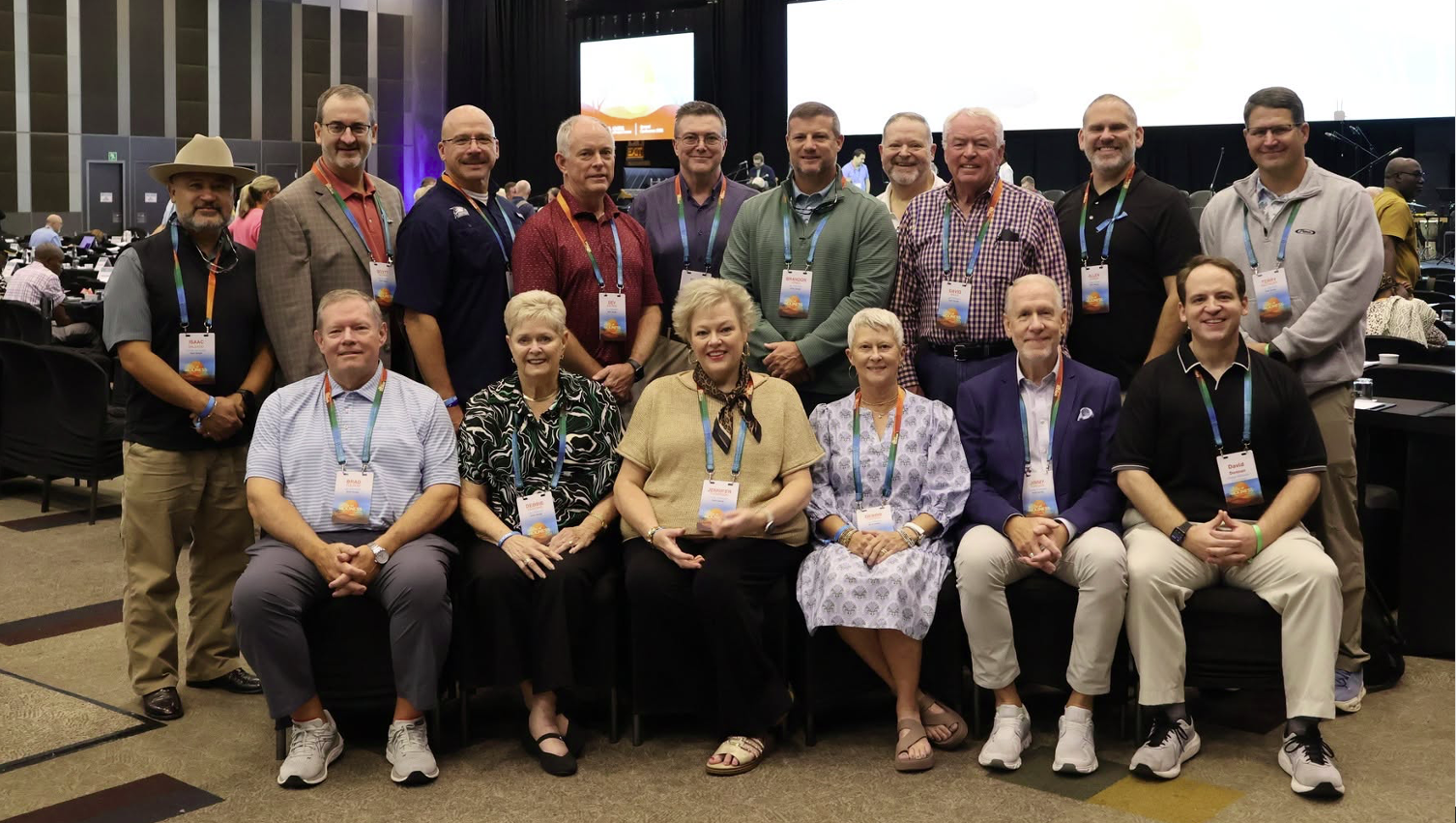
The general conference is the gathering of the Global Methodist Church where all of our book of Doctrine and Discipline is up for debate. We had a convening conference in 2024 in Costa Rica. The 2026 General Conference now begins a six year meeting schedule. So this was the last gathering of the entire church for this purpose until 2032. No location has been announced or decided. Why not Glennville, GA?
Travel
One of the challenges of this conference was just how far it is to go. For Brandy and I, the flight from Atlanta to Johannesburg was approximately 8,440 miles. We left Glennville at approximately 3:00 p.m. Friday and walked into our hotel about 24 hours later with a drive to Savannah, flight to Atlanta, then the long flight from Atlanta to Johannesburg, a drive to Sandton, the area of Johannesburg we were in.
The only way we could attend was for Brandy to use all her personal days but also to have a church which supports us. The Glennville Methodist Church allowed me back to back Sundays out of the pulpit. My mom was an angel keeping our children alive. Also, being able to leave contact information for my mother of some of our church members was a reminder how our church is truly an extension of our family. We were able to go because of you all. Thank you.
For the long flight I watched Anaconda, The Lost World, Jurassic Park, and Inception. Inception is a movie about going into people’s dreams… and dreams within the dreams to implant ideas, which is funny because I kept actually falling asleep and waking up confused if I was in a dream or watching the movie.
Hotel
We stayed in a very nice hotel. The New Zealand All Blacks rugby team was staying in our same hotel. Several times when we would get off the elevator there were fans lined up to be disappointed to see us and not the athletes heading to practice.
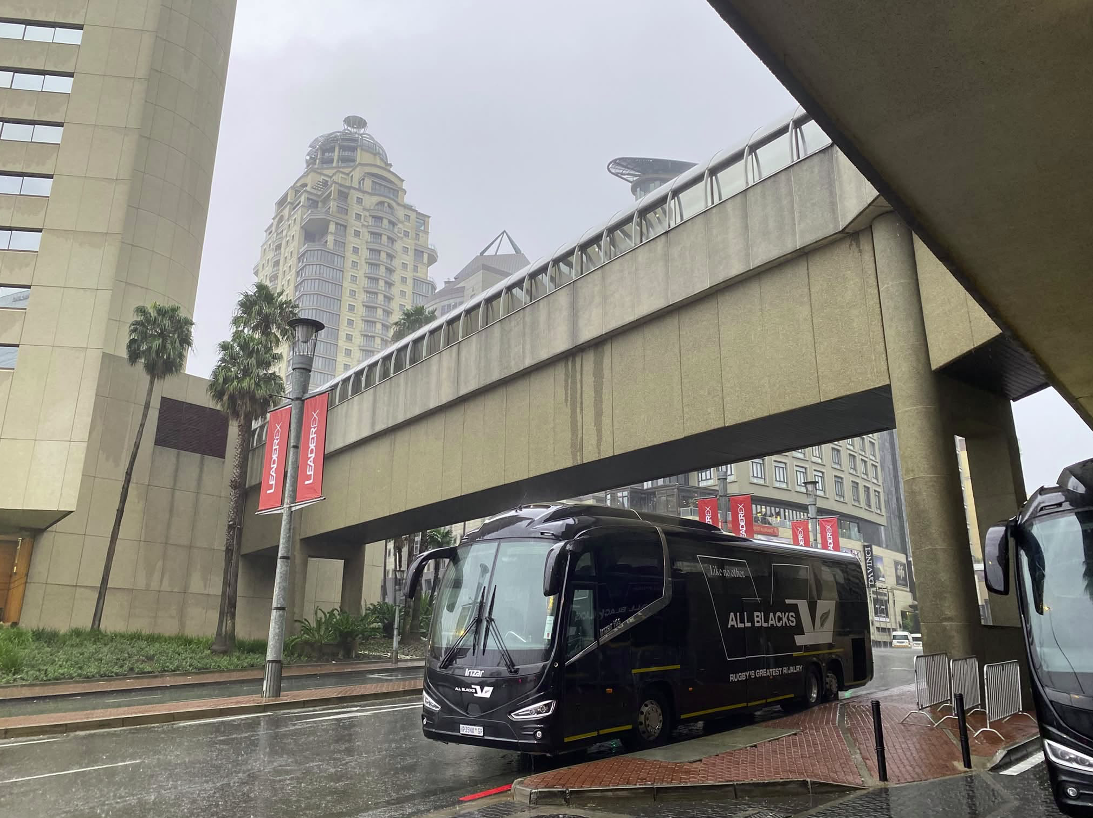
Our hotel was connected to the convention center which was convenient. Several delegates from the General Conference were staying in our hotel but other delegates had to walk in or bus in so we were blessed in our proximity.
Worship or Business?
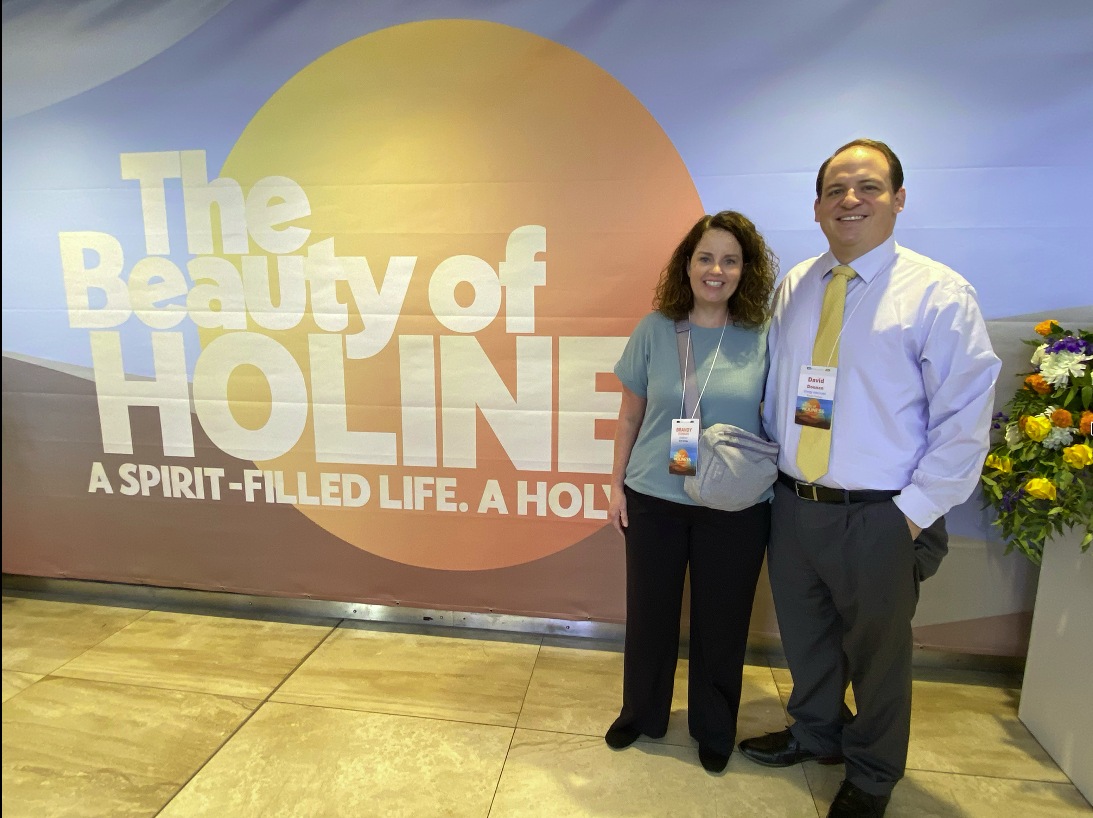
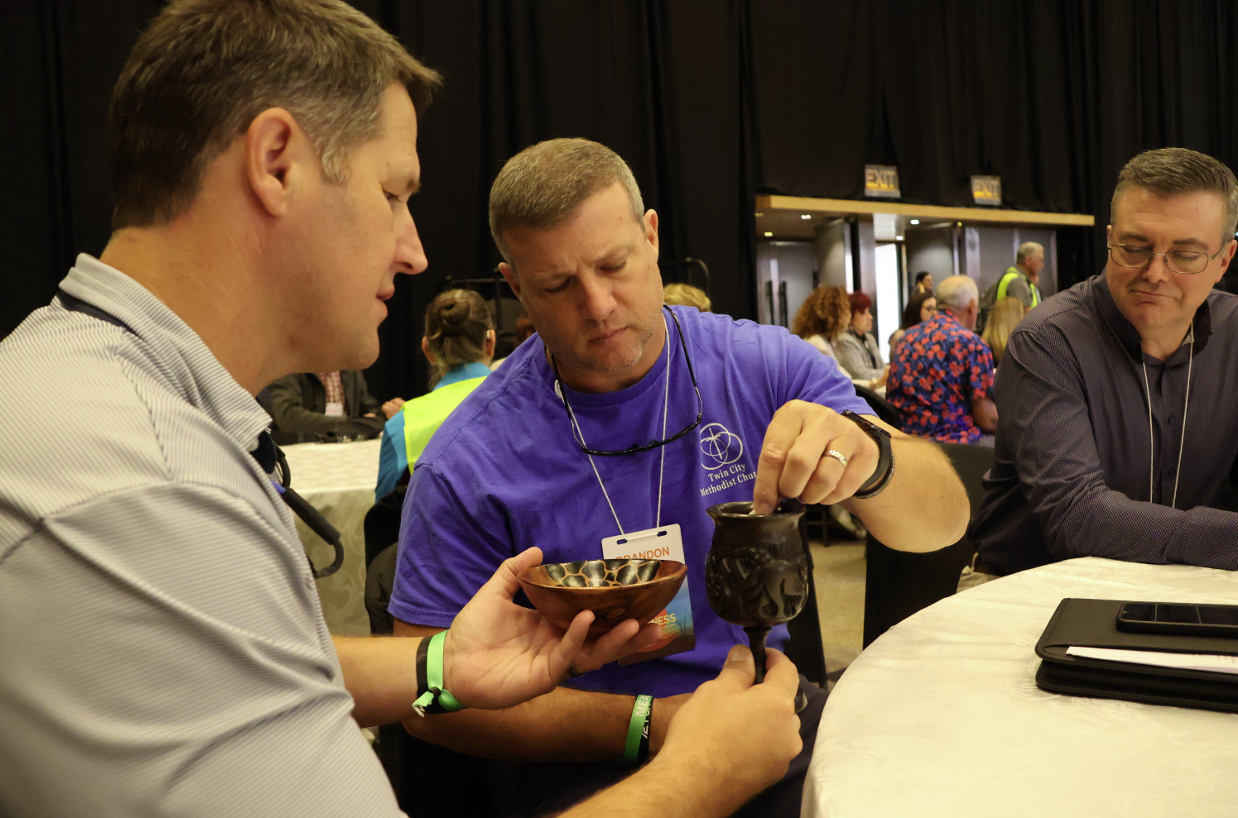
The conference was worship and business. There were moments where all could look and say they are singing, preaching, and celebrating communion. That is worship! These clear worship moments happened every morning.
Then there were moments in halls during the breaks and over meals where we might say that is fellowship!
Then there were moments of discussion, back and forth, Roberts Rules of Order, and more. We might say that was the business.
There were also moments where I was shooting videos, writing scripts, and editing videos. That was communication business and work.
But as I reflect on it I look back and see all of it was worship.
The theme of the conference was the Beauty of Holiness and I saw this beauty in all aspects of the conference.
The Conference Flow and A Surprise
The conference began with a day of plenary work. Plenary sessions are when all the conference is meeting together.
On the opening day we had the largest surprise of the conference. Our process for electing bishops was still forming at the 2024 conference in Costa Rica. So we elected several short term bishops who would serve this short window until 2026 where we would elect bishops for six-year terms. For the bishops who were elected short term and wanted to run again in 2026 they needed a ¾ vote of support to run again. The three bishops attempting to do this were Bishop John Pena Alta, Bishop Carolyn Moore from Augusta, and our current Bishop, Leah Gregory.
We already knew Bishop Gregory would not likely be our bishop because of the way our conference was shuffled into a new cohort of annual conferences. We were surprised when Bishop Alta and Bishop Moore received enough votes but Bishop Leah just missed the super majority needed.
I personally lament Bishop Gregory was not re-elected. I think we have been blessed in South Georgia by having Bishop Jones and Bishop Gregory as our episcopal leaders.
I do also have worries that we now have fewer female bishops then when we started. Women in ministry will be an important issue to keep in front of us as a denomination.
Legislative Committee
The next several days were focused on committee work. There were 8 different committees.
- Doctrines and Sacrament
- Social Witness
- Local Church
- Ministry
- Superintendency
- Conferences Committee
- Constitution, Connectional Organization, and Finance
- Judicial Administration (chaired by Jimmy Towson from South Georgia)
These committees had 471 to work through at one point. Each committee would break up into sub committees.
They could
- Affirm a petition. If it received 90% affirmation it would go on a consent calendar, meaning it would not need to be discussed individually before the entire body. However, it could be pulled from the consent calendar to be discussed by a small threshold.
- Reject a petition. It could be rejected in favor of another petition which better addresses their item or straight up rejected.
- Refer a petition to another committee.
- Recommend a Task Force to be formed to come up with a more detailed proposal.
As an alternate I was able to float around into all the different committees to get footage for my video updates. The one I was most interested in was the Doctrine and Sacrament committee because they were discussing the Articles of Faith which I will discuss later.
I was subbed in on the Social Witness committee for a couple of hours. I was calling the question, asking for points of order, and talking way too much. I feel confident this committee was happy to see the original clergy return the next morning.
If memory serves correctly, all day Monday and Tuesday we were in the legislative committee. Wednesday, we elected bishops together and also had committee work. Then into the night on Tuesday and Wednesday, committees worked later. Thursday, Friday, and Saturday were plenary sessions.
One of the special nights was the celebration of Africa night where we had music, food, dances, and a night of African culture.
The Volume
One thing which surprised me was the volume of work done. A couple of people have asked about a certain petition and I have responded, “I don’t know.”
It is hard to follow when you are not on that specific committee. Then you do not know what changes are made. It is hard to remember if it is on the consent calendar or if it got pulled for debate.
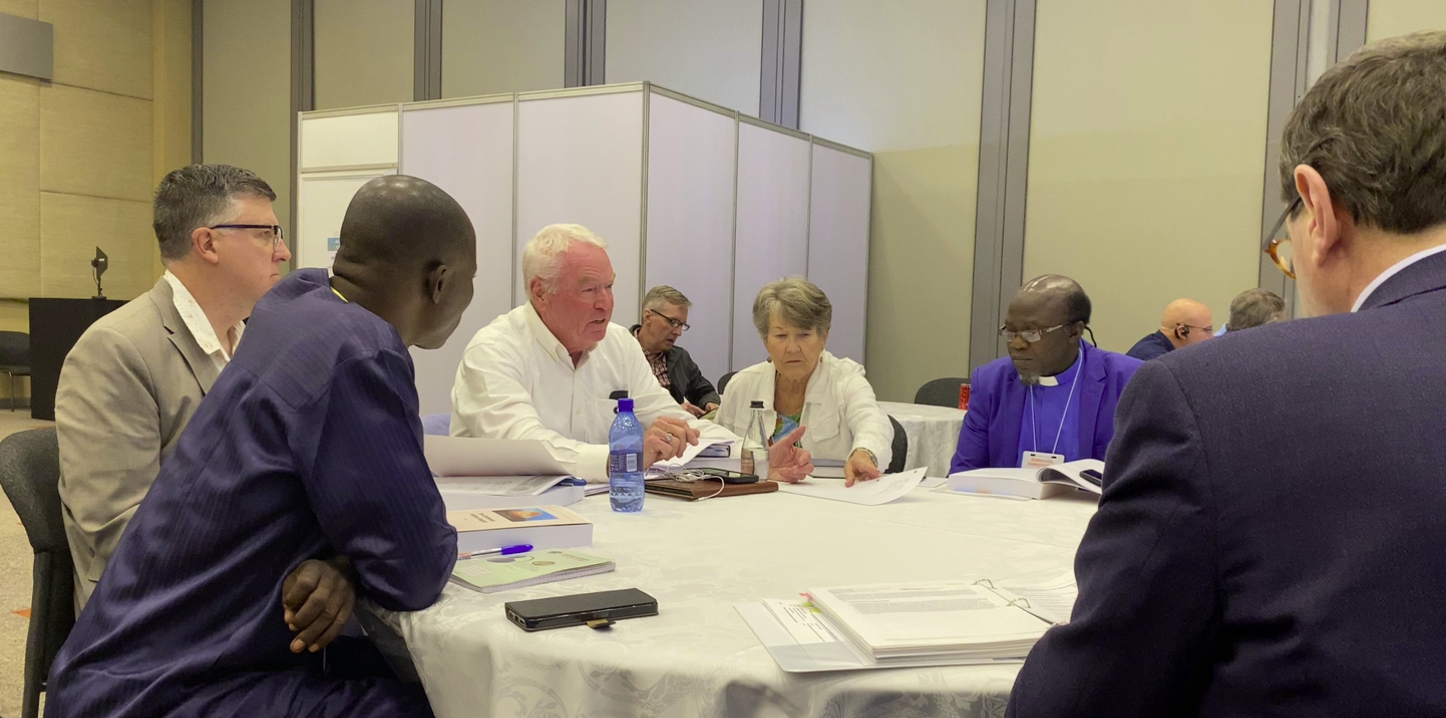
Even the articles of faith which were the most important item have not had the final version published to my knowledge because they were edited on the floor during the plenary session (the articles have been released since I gave this talk).
And even though there was a large volume there was confidence there was an appropriate chain of custody for all the work as well as a high level of trust.
The Articles of Faith
As mentioned before, the Articles of Faith were the important agenda item for the conference.
First, let’s talk about what an article is. The creeds, like the Apostles’ Creed and Nicene Creed are in general what the church believes across denominations and different branches. Even churches who do not believe in the creeds, if you ask them line by line they mostly affirm the creeds’ teaching.
Creeds equal basic Christian doctrine.
Articles are what are unique to a denomination or community.
In our previous connection we had two different statements. We had the Articles of Religion of the Methodist Church and the Confession of Faith of The Evangelical United Brethren Church.
In 2024 the general conference created a task force to reconcile these two statements. They came up with the Articles of Faith to give us an official doctrinal standard of the Global Methodist Doctrine.
I am working on a longer article for what this actually means to the average person in the pews. However, there are several groups that these articles will mean a lot and have an impact. For Pastors and people writing about ministry for ordination will have a clean statement of what we believe. For confirmation classes and people who want to explore deeper of what it means to be a Global Methodist this will be a great summary of belief. We now have a clearer statement to provide our standards. We are as William Abraham once wrote, “Waking from Doctrinal Amnesia.”
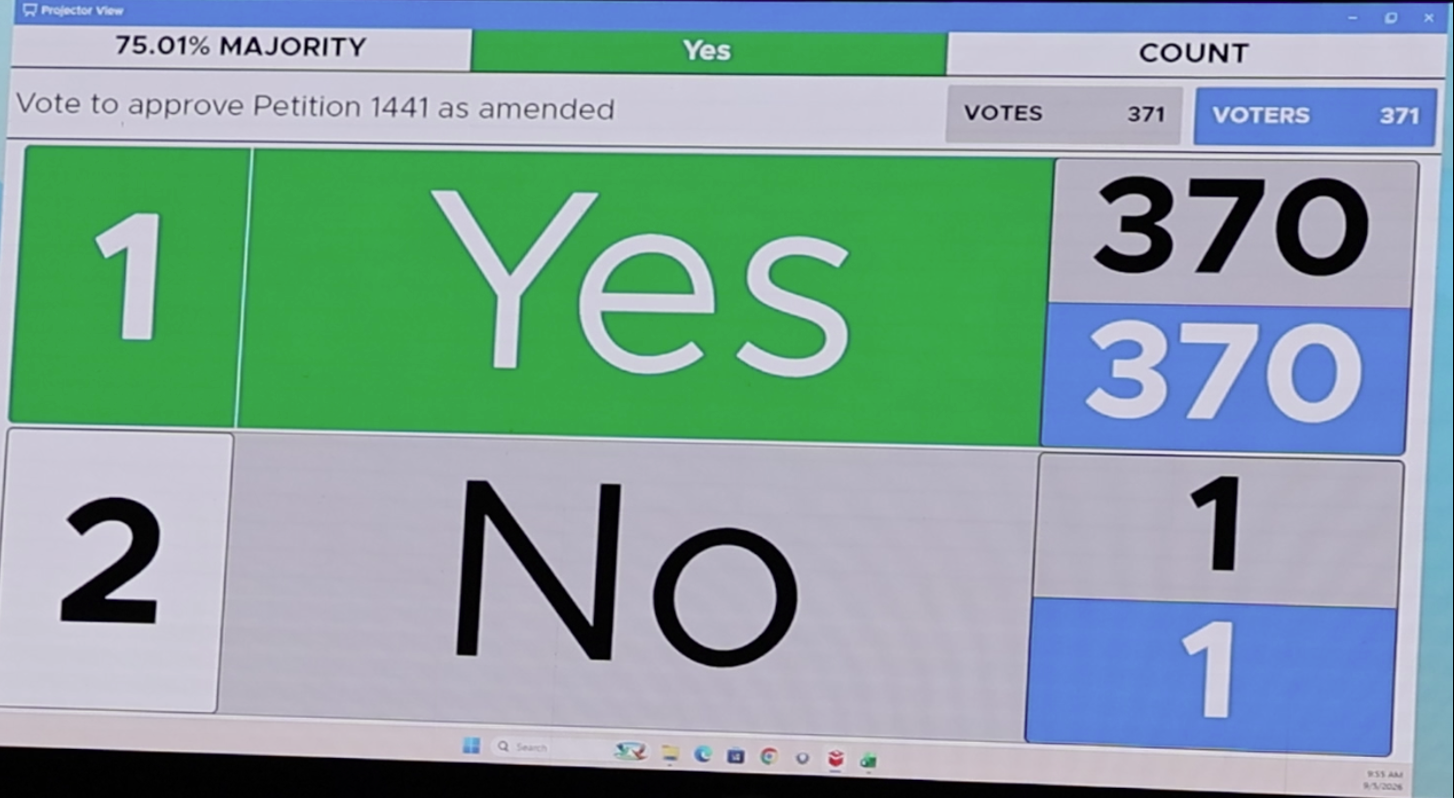
The articles of faith passed 370 to 1 and I have heard someone has come forward and said they misclicked on the one no vote. We sang the doxology after we passed the Articles of Faith and had a speech of appreciation from Bishop Jones who spoke at our church in 2026.
I was telling Brandy this is an historic moment. While each conference is historical and each one we elect bishops this was a once-in-a-lifetime to see an Article like this be born. I heard someone say today it might not happen for another 400 years.
Safari
So the last day we had nothing on the schedule until our flight at 10:00 p.m. Brandy was adamant we should go on a safari. With my little knowledge I knew we would need to hire a private driver, head about 2.5 hours into the wilderness, and hope to get back to the airport in time.
It all went very well. We left the hotel around 7:00 a.m. and really for the first time we saw Johannesburg past our hotel. We had driven in at night and had not gone anywhere.
We also noticed our driver was driving pretty fast. Apparently stop signs are optional on Sunday morning.
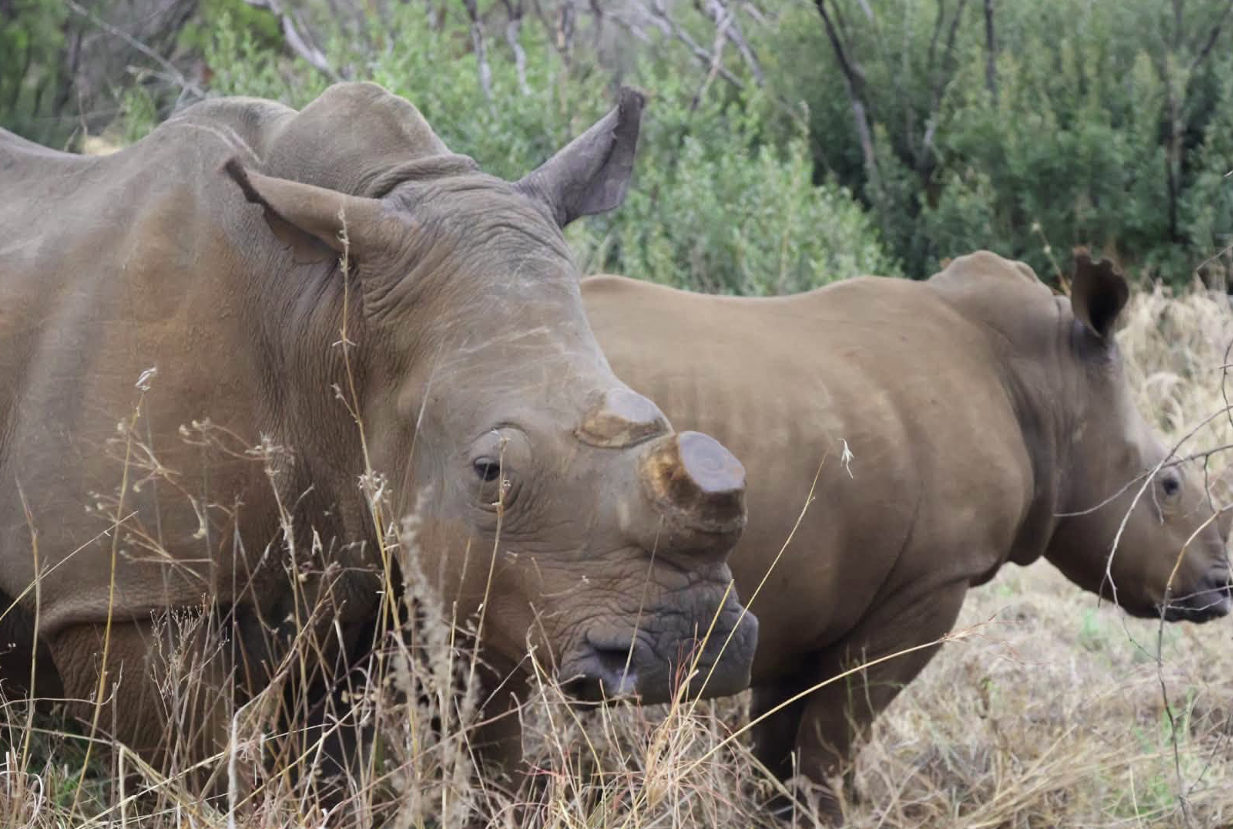
We enjoyed seeing some animals at the Pilainesburg nature reserve. We saw hippos, rhinos, zebras, giraffes, leopards, wildebeest, elephants, and tigers.
It was beautiful to see all the wildlife out there.
Unfortunately on Thursday I started feeling sick with what we would learn after returning to the United States was the flu. So it made the last few days, the safari, and the 16-hour flight a little miserable.
Conclusion
Thank you for letting me share a little bit about the overview of the trip. I plan to share more about the General Conference with our church. I would love to devote an entire Primetime to talking about the friendships and partnerships made. In particular, I filmed an update from Rev. Sam Magumba on his ministry. And I filmed a video with my friend who runs an orphanage in a country where it is risky to even name.
Friends, God is awesome. No matter our denominational affiliation the Father, Son and Holy Spirit can be enjoyed for the rest of our days and all eternity. However, being a part of a connectional body, our Global Methodist focus on Grace, and our friendship across borders is truly beautiful and helps understand God’s world and Kingdom even better.
We can be proud of this small but vital movement of Methodism we are a part of.
Closing Prayer
God, your world is so big and beautiful. Let us see your beauty in all of creation. We thank you for our connections across the globe. Most of all we thank you that you are a personal God. Father, in the same way you made your entire people and all the races, you made each one of us. Jesus, you died for each one of us because of your love for us. Spirit, help us to walk with you all the days of our lives. Amen.
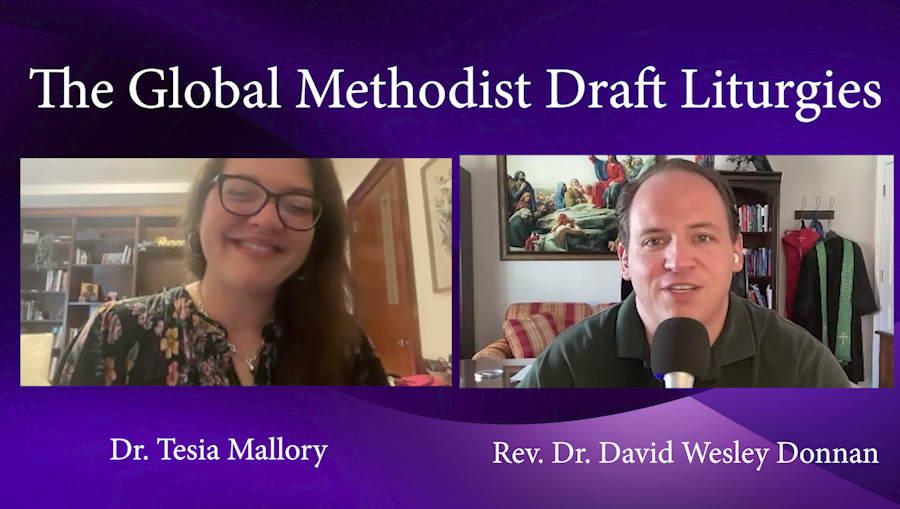
All About the Global Methodist Draft Liturgies with Dr. Tesia Mallory – The David Donnan Podcast Season 3 Episode 8
September 30, 2026
Listen on Spotify, Apple Podcast, or watch on YouTube.
What are the Global Methodist Church’s draft liturgies, and how can your church use them? Dr. Tesia Mallory joins me for all of the information you could want about the draft liturgies. This is your one-stop conversation about what’s included, how the resources were developed, and how pastors and congregations can participate in the feedback process.
Tesia serves as Dean of Chapel at Asbury Theological Seminary and helped lead the drafting and editing process. This special episode, created in partnership with the South Georgia Conference of the Global Methodist Church, offers practical guidance for longtime liturgy lovers and those just getting started.
Show Notes:
Draft liturgies discussed on the podcast:
- Baptism for infants and adults.
- Reaffirmation of baptism and confirmation.
- Holy Communion, including a fuller service, an abbreviated service, and guidance for presiding without a formal written liturgy.
- Resources for laypeople taking previously consecrated Communion elements to those unable to attend church.
- Services of death and resurrection, weddings, and church membership.
Questions we explore:
- Why release draft liturgies and invite feedback from the wider church?
- How do shared prayers help shape our theology and identity as Global Methodists?
- How can historic liturgy and Spirit-led worship work together?
- Where can a pastor or congregation begin using these resources?
- Why should worship leaders practice reading the prayers aloud before leading them?
Resources and further reading:
- Tesia Mallory’s Asbury Seminary biography — Learn about her ministry, education, and work in worship and sacramental theology.
- Reflections on General Conference 2026 by Tesia Mallory — Tesia reflects on leading worship and announces the planned October 1 release of the draft liturgies, followed by a three-month review period.
- The Draft Litrugy
- Reflections on Writing Liturgy for a Denomination — Tesia reflects on the process of leading the writing team and writing liturgy for the Global Methodist Church.
Follow Tesia Mallory:
Whether your next service includes Communion, a baptism, or welcoming new members, this conversation will help you begin exploring the draft liturgies and the faith they help us express.

It is a new day in Methodism. The rapidly expanding Global Methodist Church (GMC) is blazing a trail for what the future of Orthodox Wesleyan-Methodism could and should be. Along the way, we can correct problems large and small.
One thing I implore all pastors and worship teams to consider is to celebrate an entire season of Pentecost instead of one Sunday. Most churches follow some sort of calendar to celebrate high holy days like Christmas and Easter. Some even celebrate the Christian seasons of Advent before Christmas and Lent leading into Easter. For each of these seasons there are colors traditionally associated with these seasons.
- Purple or Blue for Advent
- White or Gold for Christmastide
- Purple for Lent
- White or Gold for Easter
- Red for Pentecost
- Green for Ordinary Time
There once was a time where the church calendar celebrated an entire season of Pentecost. Now, the majority of churches I know of put out the color red on Pentecost Sunday then the majority of summer time they move to ordinary time which is green and last from Trinity Sunday until the start of Advent.
Pentecost is the day the Holy Spirit came to the church in what looked like tongues of fire (Acts 2:1-4). This is why the liturgical color is red. Pentecost is an important season for many reasons. Most important, the Day of Pentecost marked the outpouring of the Holy Spirit and the birth of the Christian church. The disciples who were hiding behind locked doors become bold in proclaiming the Lordship of Jesus Christ. The church exploded with gifts of prophecy, teaching, healing, deep discipleship, encouragement, and hope. These are the types of movements we desire in the GMC.
The 1964 The Methodist Hymnal I think had it right. They had a season of Pentecost where the color was red and it lasted from eleven to sixteen Sundays.
Out of all the challenges facing the GMC the liturgical colors might not even crack the top one thousand. Still, let’s keep the red out and remind ourselves about the Holy Spirit, the birth of the church, and this important aspect of the life God is calling us to.
More From David
